Smartphones have become an essential part of modern life. From communicating with family and friends to managing work, studying online, and accessing entertainment, these devices help people complete many daily activities with ease. They combine several useful tools, including cameras, internet browsers, navigation systems, and digital payment applications, into one portable device.
But why is a smartphone important in today’s digital world? The answer goes beyond making calls or sending messages. Smartphones help people access information, stay connected, manage responsibilities, and solve everyday problems more efficiently.
At New Info Technology USA, we explore how consumer electronics and emerging technologies are changing the way people live, work, and communicate. Understanding smartphone features, practical uses, and artificial intelligence (AI) capabilities can help users make better decisions when choosing and using their devices.
Key Benefits of Using Smartphones Every Day
A smartphone is important because it provides convenient access to communication, information, productivity tools, and digital services. Instead of carrying separate devices for photography, navigation, music, and internet access, users can perform these activities through a single device.
Here are some major reasons smartphones are useful in everyday life.
1. Easy Communication
Communication is one of the most important functions of a smartphone. Users can make voice calls, send text messages, participate in video calls, and communicate through messaging applications.
These features are particularly helpful for families living in different cities or countries. Businesses also use smartphones to communicate with customers, coordinate teams, and respond to important messages.
2. Quick Access to Information
Smartphones allow users to search the internet for news, educational resources, product information, and answers to everyday questions. Students can research academic topics, professionals can check industry updates, and consumers can compare products before purchasing them. Access to online information makes learning and decision-making more convenient.
3. Education and Online Learning
Smartphones support digital education through online courses, educational videos, reading applications, and virtual classrooms. Students can download study materials, attend online lessons, practice new skills, and communicate with teachers. People who want to learn programming, digital marketing, graphic design, or other professional skills can also use their smartphones to access learning resources.
4. Digital Payments and Online Banking
Many smartphones support digital payment applications and mobile banking services. Users can transfer money, pay bills, check account balances, and complete purchases without visiting a physical location.
Security remains important when using these services. Users should install official applications, enable available security features, and never share banking passwords or one-time verification codes.
5. Navigation and Travel
Smartphones can provide directions, traffic updates, estimated travel times, and information about nearby places. Navigation applications help users find restaurants, hospitals, shops, and public transport options. These tools can make travelling in unfamiliar areas easier and reduce the time spent searching for directions.
6. Entertainment and Photography
Smartphones have changed how people enjoy entertainment. Users can watch videos, listen to music, play games, read digital books, and connect with online communities.
Modern smartphone cameras also allow people to capture photographs, record videos, scan documents, and create content for social media. These capabilities make smartphones useful for personal activities as well as professional content creation.
What Can You Do on Your Smartphone?
If you are wondering what can you do on your smartphone, the possibilities extend far beyond calling and messaging. A smartphone can function as a camera, digital wallet, learning device, entertainment system, work assistant, and personal organiser.
Importance and Uses of Smartphones
| Smartphone Use | Benefits | Examples |
|---|---|---|
| Communication | Keeps people connected | Calls, messages, and video calls |
| Education | Supports learning and research | Online classes and study materials |
| Work and Productivity | Helps manage daily tasks | Emails, calendars, and documents |
| Digital Payments | Makes transactions convenient | Paying bills and shopping online |
| Navigation | Helps users find locations | GPS directions and traffic updates |
| Entertainment | Provides digital entertainment | Music, videos, and gaming |
| Photography | Captures important moments | Photos and video recording |
| Artificial Intelligence | Assists with selected tasks | AI assistants and translation |
| Smart Home | Connects compatible devices | Smart lights and security cameras |
Smartphones for Work and Productivity
Smartphones help professionals stay organised when they are away from their computers. Email applications, calendars, cloud storage, and video conferencing tools make it possible to handle many work-related activities remotely.
Small business owners can communicate with customers, monitor orders, manage social media accounts, and review basic business information directly from their phones.
Smartphones for Personal Organisation
Reminder applications, digital calendars, notes, alarms, and to-do lists can help users organise their daily schedules. For example, you can set reminders for meetings, create a shopping list, save important documents, and schedule appointments from one device.
Smartphones for Smart Devices
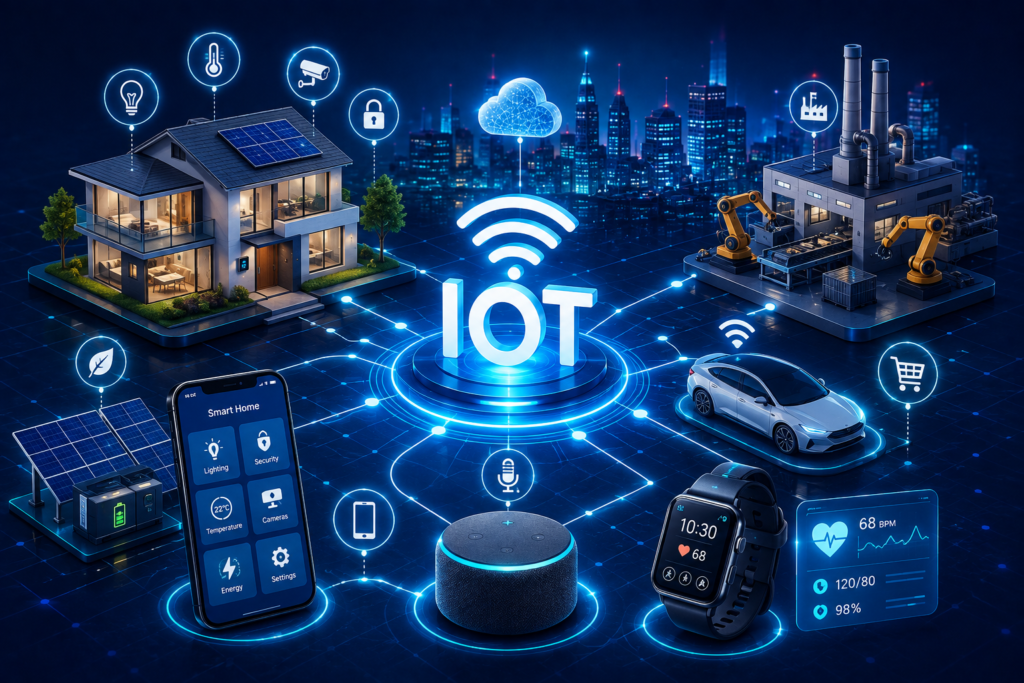
Many modern smartphones can connect to compatible smart TVs, wireless headphones, smartwatches, security cameras, and home automation systems. This connectivity makes smartphones an important part of the wider consumer electronics ecosystem.
What Are Smartphones Without AI?
The phrase smartphones without AI refers to phones that do not include dedicated AI-powered features or that are used without those features. It is important to understand that this does not necessarily mean the phone lacks intelligence or advanced technology.
Traditional smartphones can perform many useful tasks through standard software, processors, sensors, and internet connectivity without relying on generative AI assistants.
For example, a smartphone can make calls, send messages, browse websites, play music, capture photos, calculate expenses, and provide GPS navigation using conventional applications and technologies.
Key Features of Smartphones Without Dedicated AI
1. Traditional applications: Users can access messaging, calendars, calculators, browsers, and other applications without needing an AI assistant.
2. Standard photography: Cameras can capture images using conventional image processing, autofocus, and exposure controls, even without AI-based image enhancements.
3. Manual search and navigation: Users can type search queries, enter destinations, and follow map directions without using conversational AI.
4. Basic productivity tools: Notes, alarms, document readers, and task managers can work through traditional software functions.
5. Greater control over AI features: On phones that include optional AI tools, users may be able to disable certain features. However, some background processing or built-in functions may still use machine learning.
A phone marketed without dedicated AI features can still contain machine-learning components in its operating system or camera software. Therefore, the exact capabilities depend on the device, operating system, and manufacturer.
Are Smartphones Without AI Still Useful?
Yes. Smartphones without dedicated AI features can remain practical for users who primarily need communication, internet access, photography, navigation, and everyday applications.
They may also appeal to people who prefer straightforward interfaces or do not need advanced AI tools. However, AI capabilities are not automatically linked to better battery life, greater privacy, or lower prices. These factors depend on the particular device and how its features are implemented.
How Is AI Changing Modern Smartphones?
Artificial intelligence is becoming an increasingly important part of smartphone technology. Depending on the device, AI-powered features can help users perform tasks more conveniently, personalise their experiences, and improve certain functions.
Some common examples include:
- Voice assistants: Answer questions, set reminders, and perform supported tasks through voice commands.
- AI photography: Improve image processing, recognise scenes, and support selected editing features.
- Writing assistance: Help summarise text, suggest wording, or correct grammar.
- Live translation: Translate supported speech or text between languages.
- Intelligent search: Help users find information or content using more natural queries.
- Battery management: Some devices use predictive software to manage power consumption based on usage patterns.
Not every smartphone supports all these features. Availability can depend on hardware, software versions, language, region, and internet access.
AI also introduces considerations around privacy, accuracy, and data processing. Users should review app permissions and understand what information an AI service may collect or process before using it.
How to Choose the Right Smartphone
Choosing the right smartphone depends on your needs, budget, and preferred features. The most expensive device is not always the best choice for every user.
Consider these factors before making a purchase:
- Performance: Look for a processor and memory configuration that can handle your regular applications.
- Battery life: Compare battery capacity, charging speed, and independent battery test results where available.
- Camera quality: Consider image quality, video recording, low-light performance, and camera features.
- Storage: Select sufficient space for applications, photos, videos, and documents.
- Security and updates: Check the manufacturer’s software support policy and available security features.
- AI capabilities: Decide whether AI assistants, editing tools, translation, or writing features are useful to you.
- Budget: Compare the device’s features, warranty, durability, and long-term value.
Also consider whether you prefer a simple smartphone for essential tasks or a more advanced model for gaming, photography, business, and AI-powered applications.
Conclusion
Smartphones have become important because they combine communication, education, productivity, entertainment, navigation, and digital services in one convenient device. They help individuals manage daily responsibilities while giving businesses and students access to valuable digital tools. Understanding why smartphone is important also means recognising how different users benefit from different features. Some people need a dependable phone for calls and basic applications, while others prefer advanced cameras, powerful processors, or AI-powered tools.
Knowing what can you do on your smartphone can help you use your device more effectively, while understanding smartphones without AI can help you decide whether advanced artificial intelligence features are necessary for your needs. At New Info Technology USA, exploring consumer electronics and technological developments helps readers understand how devices evolve and how these changes influence everyday life. The best smartphone is ultimately the one that fits your needs, budget, and preferred way of using technology.
Frequently Asked Questions
1. Why is a smartphone important in everyday life?
A smartphone is important because it helps people communicate, access information, study, work, navigate unfamiliar places, make digital payments, and enjoy entertainment using one portable device.
2. What can you do on your smartphone besides calling?
You can browse the internet, attend online classes, take photos, record videos, manage emails, make payments, edit documents, play games, track fitness activities, and control compatible smart devices.
3. What are smartphones without AI?
Smartphones without dedicated AI features are devices that rely mainly on conventional applications and software functions. They can still support calls, messaging, browsing, photography, navigation, and many other everyday activities.
4. Is AI necessary in a smartphone?
No. AI is useful for certain tasks, including writing assistance, image editing, translation, and voice interaction, but it is not necessary for basic smartphone functions.
5. How do smartphones support consumer electronics?
Smartphones connect with other consumer electronics, including smartwatches, wireless headphones, televisions, smart speakers, and home security devices. They can also act as control centres for compatible connected products.