The consumer electronics industry is growing rapidly as people rely on smartphones, laptops, tablets, smart TVs, gaming consoles, and connected devices in their everyday lives. However, selling an electronic product is only one part of the business process. Companies must also manage product returns, repairs, replacements, recycling, and responsible disposal after a product reaches the customer.
This is where reverse logistics becomes important.
Reverse logistics refers to the process of moving products from customers back to manufacturers, retailers, repair centers, or recycling facilities. It helps businesses recover value from returned products, reduce electronic waste, improve customer satisfaction, and manage operational costs. For companies operating in consumer electronics, an effective reverse logistics strategy is becoming an essential part of supply chain management. As product innovation accelerates and customer expectations continue to change, businesses need efficient systems to manage products throughout their entire lifecycle. In this guide, we will explore what reverse logistics means, why it matters, how technology improves the process, and what businesses can do to build a more efficient system.
What Is Reverse Logistics in Consumer Electronics Logistics?
Reverse logistics is the movement of goods from the end customer back through the supply chain for inspection, repair, refurbishment, resale, recycling, or disposal. Traditional logistics focuses on delivering products from manufacturers or warehouses to customers. Reverse logistics manages the opposite journey.
For example, imagine a customer purchases a smartphone online but discovers that its battery is not functioning correctly. The customer requests a return, and the retailer arranges collection. The device is then inspected at a service center to determine whether it can be repaired, refurbished, resold, or recycled.
Every step of this journey forms part of reverse logistics.
Within consumer electronics logistics, reverse logistics can involve:
- Product returns: Managing devices returned because of defects, incorrect orders, or customer dissatisfaction.
- Repair and replacement: Sending faulty products to authorized service centers for maintenance or replacement.
- Refurbishment: Restoring used or returned devices to a functional condition for resale.
- Recycling: Recovering valuable materials such as copper, aluminum, and certain precious metals from electronic products.
- End-of-life management: Handling devices that are no longer suitable for repair or reuse.
An effective system ensures that returned products are handled quickly, safely, and responsibly.
Why Is Reverse Logistics Important for Consumer Electronics Businesses?
Reverse logistics is not simply about accepting returns. It influences customer relationships, profitability, environmental responsibility, and the long-term efficiency of a business.
1. Improves Customer Satisfaction and Trust
Customers expect convenient return policies, reliable warranties, and timely repairs when purchasing electronic devices. A complicated return process can damage their confidence in a brand, even when the original product is high quality. A well-organized reverse logistics system helps customers receive replacements, refunds, or repairs without unnecessary delays.
For example, a laptop manufacturer with an efficient collection and repair process can reduce the time customers spend waiting for a working device. Automated return approvals, tracking notifications, and clear service updates also make the experience more convenient. When customers know that a company will support them after a purchase, they may be more willing to buy from that brand again.
2. Reduces Operational Costs
Returned electronics can create additional expenses through transportation, inspection, storage, labor, and processing. Without a structured system, these costs can increase quickly. Reverse logistics helps businesses identify the most appropriate next step for every returned product.
A device with a minor software issue may require only a simple repair, while a product with significant damage might need component recovery or recycling. Identifying these differences early prevents unnecessary processing and storage costs. Businesses can also use return data to identify recurring product defects, packaging problems, or delivery issues. Addressing these problems at their source may reduce future returns and improve overall operational efficiency.
3. Supports Sustainable Electronics Management
Electronic waste is a growing environmental concern because discarded devices can contain materials that require specialized handling. Some electronic components also contain recoverable resources that can be reused in manufacturing. Reverse logistics helps businesses collect used products and direct them toward appropriate repair, reuse, refurbishment, or recycling processes.
For example, a returned tablet that still works properly may be refurbished and sold through a suitable resale channel. A damaged device that cannot be repaired may be sent to an authorized recycling facility. These practices can extend product lifecycles and reduce the amount of electronic waste sent to disposal facilities.
However, recycling and refurbishment must follow applicable environmental requirements and appropriate data-security procedures, particularly when devices contain personal information.
4. Recovers Value From Returned Products
A returned product does not always represent a complete financial loss. Some devices can be repaired and resold, while others may provide usable components for service operations. Businesses can recover part of their investment by assessing returned inventory and determining its remaining value.
Consider a customer who returns a smart TV because of a minor cosmetic defect. After inspection and repair, the television may be suitable for resale through an outlet or refurbished-product program. The amount recovered depends on the product’s condition, age, repair costs, market demand, and resale value. A structured reverse logistics process helps businesses make these decisions using consistent criteria rather than treating every return as waste.
5. Helps Manage Warranty and Repair Services
Consumer electronics products often require technical support after purchase. Smartphones may need battery replacements, laptops may require component repairs, and gaming consoles may need hardware servicing. Reverse logistics connects customer support with transportation, inventory management, repair facilities, and replacement stock.
A coordinated process helps companies track returned devices, identify warranty eligibility, obtain replacement parts, and communicate service progress. It can also provide useful information about product reliability. If the same component repeatedly fails across multiple devices, the manufacturer can investigate the underlying cause and improve future production.
How Consumer Electronics Development Increases the Need for Reverse Logistics
Consumer electronics development introduces new products, smaller components, advanced batteries, connected features, and increasingly sophisticated hardware and software. Although these innovations create new opportunities, they can also make returns and repairs more complicated.
For example, modern electronic devices may contain tightly integrated components that require specialized tools and trained technicians. Products with rechargeable batteries may need specific transportation and handling procedures. Connected devices may also require secure data removal before resale or recycling.
Several developments are making reverse logistics more important:
- Shorter product innovation cycles: Frequent product launches can increase the number of older devices entering resale, trade-in, repair, or recycling channels.
- Greater product complexity: Advanced electronics may require specialized diagnostic equipment and repair expertise.
- Growing demand for refurbished devices: Customers looking for more affordable technology can create opportunities for professionally restored products.
- Connected product ecosystems: Smart devices may need software resets, account removal, and secure data erasure before being reused.
- Battery management requirements: Damaged or defective batteries require appropriate handling and transportation procedures.
Manufacturers that consider repairability, spare-part availability, and end-of-life management during product development can make reverse logistics more efficient later.
The Role of Technology in Modern Consumer Electronics Logistics
Technology is changing how businesses identify, track, inspect, and process returned products. Digital systems can improve visibility across the reverse supply chain and help managers make better decisions.
Artificial Intelligence and Data Analytics
Artificial intelligence can help businesses analyze historical return data, identify patterns, and estimate the likelihood of future returns. For instance, an electronics retailer may discover that a particular product model has an unusually high return rate because of recurring setup difficulties. The company can investigate the issue, improve product instructions, or provide clearer customer support.
Predictive analytics can also help businesses plan repair capacity, allocate spare parts, and manage return volumes during busy sales periods. AI-generated predictions should still be reviewed against real operational data, especially when decisions affect product safety, warranty eligibility, or customer refunds.
Internet of Things and Product Tracking
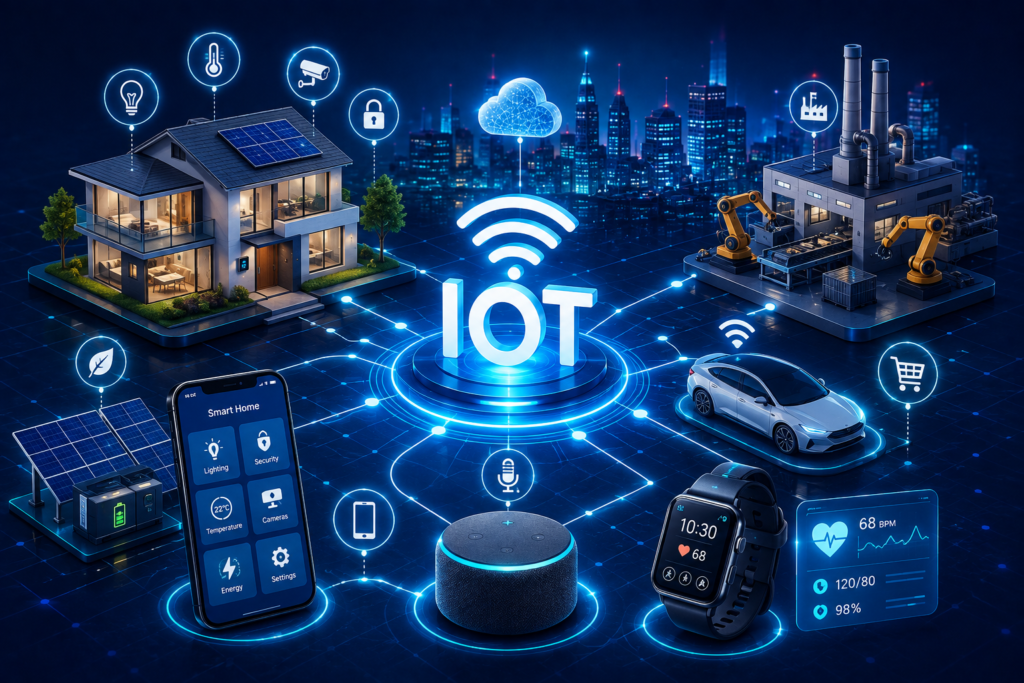
The Internet of Things (IoT) connects physical devices with digital monitoring systems. In logistics operations, sensors and connected tracking equipment can provide information about location, movement, and certain environmental conditions.
For returned electronics, tracking technologies can improve visibility as products move between collection points, warehouses, repair centers, and recycling facilities. Better tracking helps businesses identify delays, reduce misplaced inventory, and maintain more accurate records.
Warehouse Management Systems
Warehouse management systems help businesses organize incoming returns, record product condition, manage storage locations, and coordinate processing activities. When a returned device arrives, employees can scan its identification code and access relevant information about its model, return reason, warranty status, and inspection progress. This reduces manual recordkeeping and makes it easier to determine whether the device should be repaired, refurbished, resold, or recycled.
Automation and Digital Documentation
Automated workflows can support return authorization, shipping-label generation, status notifications, and routing decisions. For example, a return-management platform can assign a product to an appropriate service center based on its location, model, and repair requirements.
Digital documentation also helps businesses maintain records for warranty claims, inventory reconciliation, and environmental compliance. The most effective approach combines suitable technology with trained staff, clear operating procedures, and reliable quality checks.
Common Challenges in Reverse Logistics
Despite its benefits, reverse logistics can be difficult to manage, particularly for businesses handling large volumes of different electronic products.
High Transportation and Processing Costs
Individual returns may require separate collection, packaging, inspection, and shipping. These activities can be expensive when return volumes are high or customers are geographically dispersed. Businesses can address this challenge through optimized collection routes, consolidated shipments where appropriate, and efficient regional service networks.
Product Condition and Quality Assessment
Returned devices vary significantly in condition. Some may have minor defects, while others may be damaged, incomplete, or unsuitable for resale. Standardized inspection procedures help employees classify products consistently and determine the safest, most economical next step.
Data Privacy and Security
Smartphones, computers, tablets, and other connected products may contain personal or business information. Before refurbishment, resale, or recycling, businesses need appropriate procedures for secure data erasure, account removal, and handling devices that cannot be accessed normally. Data-security requirements should be incorporated into the return process rather than treated as a final optional step.
Inventory Visibility
A product may pass through several locations before its final status is determined. Poor communication between retailers, warehouses, manufacturers, and service centers can lead to delays and lost inventory. Integrated systems, standardized product identifiers, and consistent status updates can improve visibility across the entire process.
Best Practices for Building an Effective Reverse Logistics Strategy
Consumer electronics businesses can improve reverse logistics by designing a clear process for every stage of a product’s return journey.
1. Create a clear return policy. Explain return windows, warranty conditions, required documentation, and collection procedures in straightforward language.
2. Establish standardized inspection procedures. Use consistent criteria to assess product functionality, physical condition, missing components, and repair requirements.
3. Categorize returned products. Separate items suitable for immediate resale, repair, refurbishment, component recovery, or recycling.
4. Use integrated logistics software. Connect return authorization, inventory, customer support, transportation, and repair records where practical.
5. Protect customer data. Define secure data-erasure and device-handling procedures before any product is reused or transferred to another owner.
6. Work with qualified service and recycling partners. Select partners that can demonstrate appropriate technical capabilities, safe handling procedures, and compliance with relevant requirements.
7. Monitor performance indicators. Track return processing time, cost per return, repair success rate, recovery value, customer satisfaction, and the proportion of suitable products recovered for reuse or recycling.
8. Use return insights to improve product design. Share recurring failure patterns with product development and quality teams to help prevent avoidable defects. These practices can turn reverse logistics from a reactive returns function into a more coordinated part of supply chain management.
Future Trends in Consumer Electronics Reverse Logistics
The future of reverse logistics will likely be shaped by greater digital visibility, circular-economy initiatives, changing customer expectations, and continued product innovation. AI-assisted inspection may help technicians identify certain faults more quickly. Automated sorting and improved product tracking may make return processing more consistent. Refurbishment and trade-in programs may also create additional opportunities to extend the useful life of electronic devices.
At the same time, businesses will need to consider battery safety, data privacy, product repairability, and the environmental requirements that apply in their markets. Digital product information and better component traceability may make it easier to identify materials, access repair information, and determine suitable end-of-life pathways. The pace of adoption will vary depending on product type, business size, infrastructure, and local regulations.
For consumer electronics companies, the long-term opportunity is to connect forward logistics, customer service, repair, refurbishment, and recycling through a more transparent and efficient system.
Conclusion
Reverse logistics is an important part of modern consumer electronics logistics because it helps businesses manage returns, control costs, recover product value, and reduce unnecessary electronic waste. As consumer electronics development continues to introduce new devices and more complex technologies, companies need reliable processes for repairing, refurbishing, recycling, and securely handling returned products.
Technology such as artificial intelligence, IoT tracking, warehouse management systems, and automated return workflows can make these operations more efficient when implemented appropriately. For businesses across the consumer electronics industry, the goal is not simply to move products back to their origin. It is to determine what happens next and recover as much practical, financial, and environmental value as possible.
At New Info Technology USA, we explore how technology, innovation, and digital systems are transforming modern industries. Understanding reverse logistics offers another perspective on how smarter technology management can support more efficient and responsible business operations.
Frequently Asked Questions (FAQs)
1. What is reverse logistics in consumer electronics?
Reverse logistics is the process of moving electronic products from customers back to retailers, manufacturers, repair centers, or recycling facilities for returns, repairs, refurbishment, reuse, or responsible disposal.
2. Why is reverse logistics important for consumer electronics businesses?
It helps businesses manage product returns, improve customer satisfaction, reduce unnecessary costs, recover value from returned devices, and support responsible electronic waste management.
3. How does technology improve consumer electronics logistics?
Technology such as AI, IoT tracking, warehouse management systems, and return-management software can improve product visibility, speed up inspections, organize inventory, and support better operational decisions.
4. What is the difference between forward logistics and reverse logistics?
Forward logistics moves products from manufacturers or distribution centers to customers. Reverse logistics moves products back through the supply chain for returns, repair, refurbishment, recycling, or disposal.
5. How does reverse logistics support sustainability?
It helps businesses extend product lifecycles through repair and refurbishment, recover reusable materials, and direct electronic waste to suitable recycling facilities.